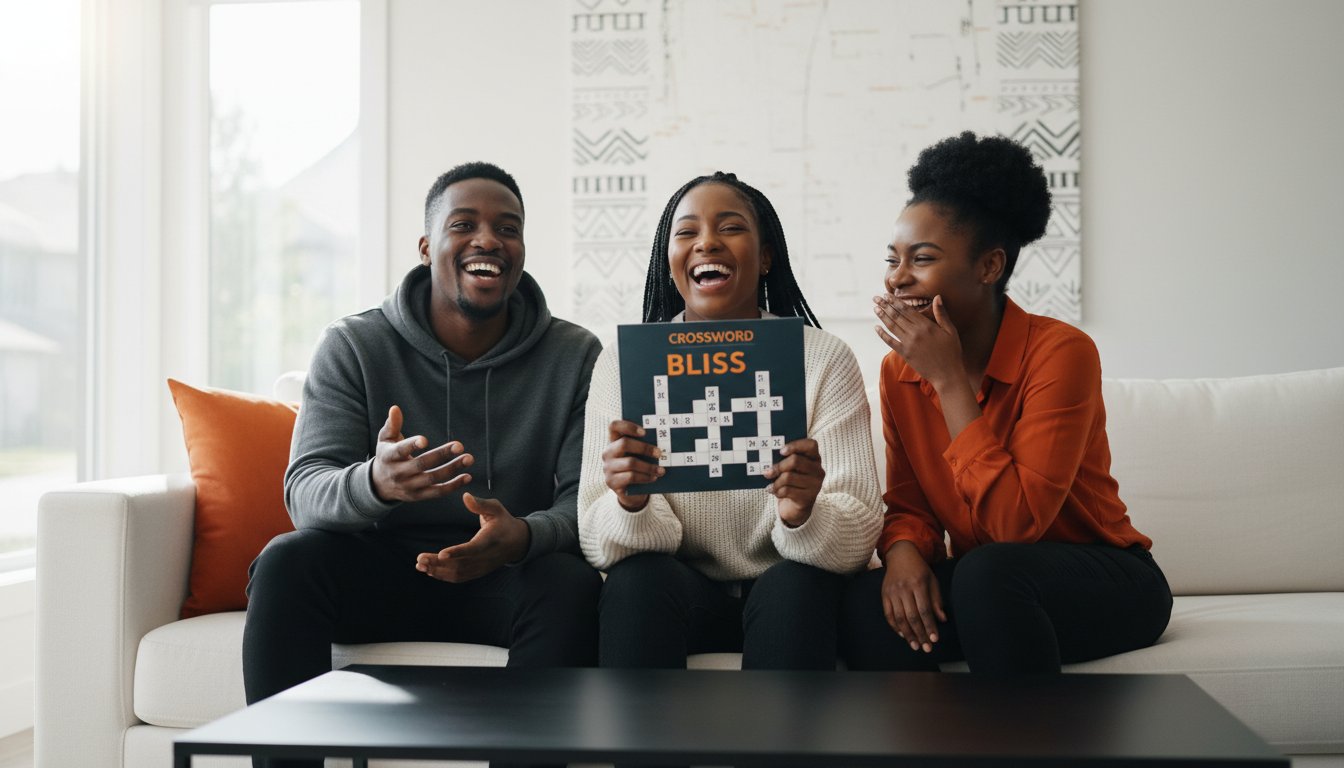
In a world that often demands our grief, choosing to prioritize black joy is the most radical act of resistance you can perform today. It isn’t a distraction from the struggle. It is the ultimate defiance against it. Since Kleaver Cruz launched The Black Joy Project in 2015, this movement has transformed from a digital trend into a vital framework for mental restoration. We believe that celebrating our culture isn’t just a luxury. It’s a necessity for our collective survival.
You’ve likely felt the heavy weight of the 24 hour news cycle and the exhaustion of seeing our stories framed only through the lens of pain. It’s common to worry that choosing delight feels performative when there’s still so much work to do. This guide will show you how to transform black joy from a fleeting feeling into a sustainable daily habit that fuels your resilience and restores your spirit. We’ll explore practical ways to integrate cultural pride into your routine and connect with a community that centers Black culture and joy as a daily ritual.
Key Takeaways
- Understand why reclaiming your happiness is a radical act of resistance and resilience that goes far beyond fleeting feelings.
- Discover how the “mirror effect” in media and games fosters a deeper sense of belonging and psychological safety.
- Learn to embrace rest and play as essential tools for restoration rather than luxuries that must be earned.
- Build a sustainable daily practice of black joy through mini-habits that fit seamlessly into your busy schedule.
- Explore how intentional rituals, like culturally centered crosswords, transform your daily routine into a celebration of Black history and wisdom.
Defining Black Joy: More Than Just a Feeling
Black joy is much deeper than a temporary mood or a fleeting smile. We see it as a multifaceted movement; a steady North Star that guides us through the complexities of our world. While happiness often depends on external circumstances, this cultural joy is rooted in a long legacy of resistance, resilience, and reclamation. It’s an intentional practice that honors Black culture and joy as the essential heartbeat of our daily lives and collective identity.
To better understand the radical nature of this concept, watch this helpful video:
Scholars and activists have long recognized that finding delight is a vital act of survival in a world that frequently devalues Black lives. Since Kleaver Cruz founded The Black Joy Project in 2015, the global conversation has shifted toward recognizing these moments as inherently political. We aren’t just “getting by.” Instead, we’re thriving by drawing on communal wisdom that has sustained our families for generations. This tradition isn’t about ignoring pain. It’s about refusing to let that pain define the entirety of who we are.
Joy as Resistance and Resilience
Choosing to be joyful is a powerful rejection of the “victim” narrative that media outlets often project. It asserts our agency and reminds us that our light isn’t easily extinguished by systemic pressure. Historically, our people found ways to celebrate even in the harshest eras, using song, laughter, and community gatherings as protective shields. Black joy serves as a transformative tool that replaces systemic stereotypes with the vibrant, multi-dimensional truth of our lived experiences.
Reclaiming the Narrative of Black Humanity
Moving away from trauma-centered stories toward excellence-centered ones is a necessary step for our collective healing. We reclaim our humanity when we prioritize our own peace, creativity, and leisure. Projects like the Museum of Black Joy, founded by Andrea Walls, provide a dedicated space to document these everyday triumphs and quiet moments of beauty. By centering our own experiences in our daily rituals, we foster a sense of belonging that empowers us to grow on our own terms. This reclamation allows for both personal development and a stronger, more connected community.
The Psychology of Representation: Why Seeing Yourself Matters
Representation functions as a psychological mirror. It validates our existence and reinforces our sense of belonging. When we engage with media or leisure activities that reflect our lived experiences, our brains experience a “mirror effect.” This effect signals that our culture is worthy of space and celebration. For Black solvers, this sense of being seen is often missing from mainstream puzzles. Traditional crosswords frequently lean on Eurocentric history, classical music, and Ivy League references. A 2021 analysis of major newspaper crosswords revealed that these puzzles often exclude the cultural shorthand familiar to Black communities, turning a relaxing hobby into an exercise in cultural translation.
This exclusion creates an invisible tax on the solver. Instead of finding mental restoration, you’re forced to work harder to decode clues that weren’t written for you. True black joy requires spaces where you don’t have to explain your references. When a puzzle features a legendary HBCU or a specific soul food dish, it fosters a sense of safety. You aren’t an outsider looking in; you’re the guest of honor. This shift transforms a simple game into a powerful tool for daily reclamation and mental ease.
Cognitive Ease and Cultural Fluency
Cultural fluency is the ability to recognize and interpret cultural symbols without extra effort. In the context of word games, it means “getting the clue” instantly because it draws from your own life. This reduces your cognitive load. You aren’t burning mental energy trying to remember a 1940s opera singer. Instead, you’re moving through the grid with speed and confidence. This ease isn’t just about convenience; it’s a form of mental restoration. When you see your world reflected in a daily mini puzzle, the game feels like a conversation with a friend rather than a test from a stranger.
Mental Well-being and Identity Affirmation
Identity affirmation is directly linked to lower stress levels and higher self-esteem. Engaging with content that centers your heritage allows you to enter a “flow state” more quickly. This is a psychological zone where you’re fully immersed and energized. Practicing Black joy as resistance through these daily habits builds long-term mental resilience. It creates a consistent rhythm of self-affirmation. By prioritizing black joy in your intellectual life, you’re telling yourself that your knowledge and your culture are the standard, not the exception. This ritual helps shield the mind against the fatigue of daily microaggressions, providing a reliable source of cultural pride and mental clarity.

Resistance Through Rest: Why Play is a Radical Act
You might hear that leisure is a luxury the community can’t afford right now. We disagree. Tricia Hersey, who founded The Nap Ministry in 2016, famously argues that rest is a radical act of resistance. For Black folks, choosing to do nothing is a political statement against a system that historically viewed our bodies as tools for labor. High-stress environments make intentional downtime a survival tool, not a treat. We use play to protect our peace and fuel our longevity.
When we prioritize black joy, we’re doing more than just relaxing. We are actively pushing back against the expectation of constant struggle. This section explores why stepping away from the “grind” is the most productive thing you can do for your soul.
The Myth of Constant Productivity
The “grind” is a trap that ties our human worth to our professional output. This mindset ignores the reality of “weathering,” a term coined by Dr. Arline Geronimus in 1992 to describe the physical toll of systemic stress on Black bodies. Chronic stress leads to higher rates of hypertension and heart disease, making rest a literal life-saver. Play serves as a restorative counter-culture to this pressure. It breaks the cycle of constant output and allows for genuine healing. Rest is a form of reclamation for the Black body because it asserts ownership over one’s time and energy in a world that historically demanded both without consent.
Reclaiming the Crossword: From Exclusion to Ritual
For decades, mainstream crosswords functioned as intellectual gatekeepers. A 2020 analysis of major American puzzles revealed a significant lack of cultural diversity in clues, often centering white-centric history and pop culture while ignoring our contributions. This makes traditional circles feel exclusionary and cold. We’re changing that by centering our own stories in the grid. Understanding the deliberate process behind crossword clue creation as an intentional act of cultural affirmation reveals just how powerful a well-crafted puzzle can be.
- Changing the Clues: When a clue references a 90s R&B hit instead of an obscure opera, the barrier to entry vanishes.
- Cultural Ritual: The game shifts from a test of “general knowledge” to a shared moment of cultural connection.
- Daily Habit: Engaging in a puzzle that mirrors your life makes black joy a consistent, dependable part of your routine.
By reclaiming these spaces, we turn a simple game into a powerful act of representation. It’s no longer just about filling in boxes. It’s about seeing your culture validated in a space that once told you that you didn’t belong. Every solved puzzle is a small victory for our collective well-being.
Cultivating a Daily Practice of Black Culture and Joy
We don’t just find joy; we build it. Moving from the theory of resistance to the lived experience of black joy requires intentional, daily action. It starts with auditing your digital environment. A 2023 report from the Pew Research Center found that 81% of Black adults rely on social media for community and connection. Curate your feed to reflect your brilliance. Unfollow accounts that trigger stress and replace them with creators who celebrate our heritage every day.
Your physical space matters just as much as your digital one. Create a joy sanctuary in your home. This doesn’t require a full renovation. It can be a simple shelf with a candle, a book by a favorite author like bell hooks, or a framed photo from a 2022 family gathering. This corner serves as a visual reminder that your peace is a priority. When life feels heavy, this sanctuary offers a place to breathe and reconnect with yourself.
Integrating small habits prevents the feeling of overwhelm. We focus on “mini” moments because they’re sustainable. You can reclaim your time in five-minute increments, making it easier to maintain a consistent routine even on your busiest days. This same intentionality extends beyond your home — choosing to support black-owned businesses in Matteson and across the country is another powerful way to align your daily habits with your values and invest in our collective economic empowerment.
5-Minute Rituals for Intellectual Joy
The mini format is a powerful tool for daily mental stimulation. You don’t need an hour of silence to reset your brain. A quick crossword during a lunch break can shift your entire mood. These bite-sized puzzles offer a sense of accomplishment and a direct connection to our history. Before you solve, set a daily intention focused on Black excellence. Whether you’re recalling the 1921 legacy of Tulsa or naming a 2024 Grammy winner, these small wins cultivate a resilient mindset. It’s a fast, effective way to center your thoughts on something positive and culturally relevant.
Building Community Through Shared Play
Play is a radical act of communal care. Hosting a family puzzle night allows you to pass down cultural wisdom without the stiffness of a lecture. Word games are low-pressure conversation starters that bridge the gap between generations. When a child asks about a clue involving the 1963 March on Washington, the game turns into a living history lesson. A 2022 industry survey indicated that 68% of participants felt a stronger sense of belonging after engaging in shared puzzles. These moments of collective play turn your living room into a space of shared victory and cultural affirmation.
Ready to start your new daily ritual? Solve our daily mini crossword and center your day on Black culture and joy.
Solving for Joy: The BlackCrosswords Mission
Jan Buckner Walker didn’t just build a game; she created a celebratory ritual. For decades, mainstream puzzles ignored our slang, our icons, and our history. Jan changed that dynamic completely. Every clue and grid centers Black culture, history, and wisdom. This isn’t about a moderate challenge designed to make you feel excluded. It’s about the cultural win. It’s an intentional space where black joy is the standard. We’ve built a platform that celebrates our identity through play. This mission goes beyond simple entertainment. It’s about visibility. When you see a clue about a legendary HBCU or a specific soul food staple, you feel seen. That recognition is powerful. It transforms a solitary activity into a communal experience. We prioritize accessibility because everyone deserves to see themselves reflected in the media they consume.
Puzzles Designed with You in Mind
Mainstream puzzles often rely on Eurocentric trivia. They might ask for names of obscure lakes in Switzerland. We ask about the specific rhythm of a double-dutch jump or a quote from a James Baldwin essay. Our mini crossword serves as the perfect entry point for daily engagement. These small grids provide a quick win. They offer a burst of black joy during a hectic morning commute or a lunch break. Beyond the digital screen, our physical puzzle books act as lasting legacies. These collections, including the 2023 Workman Publishing release, preserve our cultural milestones in print. They ensure our stories remain a permanent part of the puzzle world. We design every grid to be an affirmation of your knowledge and your life. Learn more about the thoughtful crossword clue creation process that goes into making every puzzle a celebration of Black culture.
Join the Movement of Cultural Reclamation
Your daily puzzle habit supports a Black-owned business. It’s a vote for representation. We view BlackCrosswords as a steady, reliable companion in your life. It’s a consistent beat in your daily routine. Every solved grid is an act of reclamation. You’re taking back your time. You’re centering your own stories. We invite you to join a community that truly values your experience. Don’t settle for puzzles that don’t speak your language. Make your leisure time count for something more. It’s time to prioritize your own cultural connection. Start your daily ritual of Black culture and joy and see the difference representation makes in your daily life.
Make Black Culture and Joy Your Daily Ritual
Choosing to prioritize your happiness isn’t just a mood; it’s a powerful statement of resistance. We’ve explored how intentional rest serves as a radical act and why seeing your own excellence reflected in the world is vital for resilience. When you make a habit of centering your heritage, you turn black joy into a sustainable daily practice rather than a fleeting moment.
Since 2004, Jan Buckner Walker has been at the forefront of this mission. As the creator of the iconic Ebony and Essence crosswords, she knows representation belongs in every corner of your life. You deserve a space that celebrates your brilliance without explanation. Our daily “mini” puzzles offer a quick cultural win that fits your schedule. These bite-sized games honor the community we’ve nurtured for two decades. It’s a simple way to claim a moment for yourself while connecting with your roots.
Celebrate Black culture and joy with our daily mini crosswords
You’ve got the tools to thrive. Let’s keep building this legacy of happiness together.
Frequently Asked Questions
What is the “Black Joy” movement exactly?
Black joy is a radical act of resistance that prioritizes our collective happiness and thriving over narratives of struggle. Kleaver Cruz launched The Black Joy Project in 2015 to amplify this movement, proving that our smiles are political. It isn’t just a feeling; it’s a daily practice of reclamation. We choose to celebrate our humanity, creating a space where our culture flourishes without needing external permission or validation.
Is focusing on Black joy a form of ignoring social justice issues?
Focusing on Black joy isn’t an escape; it’s the fuel that sustains our fight for social justice. Audre Lorde famously declared in her 1988 collection of essays that caring for oneself is an act of political warfare. When we prioritize our well-being, we build the resilience needed for long-term activism. This practice ensures we aren’t just fighting against oppression, but also fighting for our right to live vibrantly.
How can I practice Black joy if I feel overwhelmed by the news?
You can practice Black joy by taking intentional breaks from the 24-hour news cycle to focus on internal peace. A 2022 study by the American Psychological Association found that constant news consumption increases stress levels for 73% of adults. Try a 15-minute daily ritual like listening to a favorite jazz record or solving a mini puzzle. These small moments of cultural connection help ground you when the world feels loud.
Why are culturally specific crosswords important for mental health?
Culturally specific crosswords boost mental health by combining cognitive stimulation with the power of representation. A 2019 study from the University of Exeter showed that people who engage in daily word puzzles have brain function equivalent to ten years younger than their actual age. When these puzzles feature Black history and icons, they also reduce the cultural tax of traditional games. You don’t have to translate your experience; you just play.
How do I start a daily habit of Black culture and joy?
Start a daily habit of Black culture and joy by attaching a small celebratory act to an existing routine. James Clear, author of Atomic Habits, suggests that starting a new habit should take less than 2 minutes. You might solve a mini crossword while your morning coffee brews. This consistent, bite-sized engagement makes cultural celebration a dependable part of your schedule rather than a sporadic event that you have to plan.
Can puzzles really help with stress and brain health?
Puzzles are powerful tools for brain health because they trigger the release of dopamine, a neurotransmitter that improves mood and memory. Research published in the Journal of the American Medical Association indicates that regular cognitive activity can lead to a 47% reduction in the risk of Alzheimer’s disease. Solving a puzzle provides a flow state that lowers cortisol levels. It’s a simple way to protect your mind while enjoying a moment of play.
What makes BlackCrosswords different from other puzzle apps or books?
BlackCrosswords differs from traditional apps by centering the Black experience in every clue, answer, and theme. Traditional crosswords often rely on Eurocentric knowledge, but we prioritize references like 90s R&B, HBCU traditions, and global history. Our mini format offers a low-barrier entry point for daily engagement. We’ve built a community-centric platform where representation isn’t an afterthought; it is the entire foundation of the game we play together.
How can I involve my family in celebrating Black joy through play?
You can involve your family by hosting a weekly game night that focuses on shared cultural knowledge. A 2021 survey by Hasbro found that 60% of families feel closer after playing together. Try solving a digital crossword as a group, letting different generations tackle clues about music, history, or slang. This turns a solo activity into a communal ritual that passes down stories and celebrates our collective identity across all age groups.